The short answer
Yes, toenail fungus is contagious, but mostly indirectly. The fungi spread through shared floors and showers, shoes, socks, towels and nail clippers far more than through direct skin contact. It can also spread from one of your own nails to another, and back and forth with athlete’s foot. The fix is simple and unglamorous: no bare feet on shared floors, no shared towels or nail tools, dry feet, and daily treatment of the affected nail so it stops shedding spores into your home.
If you have just noticed a yellow, thickened toenail, one of the first questions is usually about everyone else: can my partner catch this? My kids? Will it jump to my other toes? The honest answer is that toenail fungus is not “catch it from a handshake” contagious, but in a shared home it can spread slowly and quietly over months. Understanding how it travels is the best way to stop it.
Why toenail fungus spreads at all
Most toenail fungus (onychomycosis) is caused by dermatophytes, the same family of fungi behind athlete’s foot. They feed on keratin, the protein in skin and nails, and they release microscopic spores and skin flakes that can survive on surfaces and fabrics for a long time. Every time an infected foot walks barefoot across a bathroom floor or slips into a shoe, it can leave some behind. As we explain in why toenail fungus keeps coming back, the same mechanics that make it stubborn on your own nail also make it good at hitching a ride.
Researchers have looked specifically at households. A 2022 scoping review in the Journal of Fungi that gathered studies on household transmission of onychomycosis highlighted shared surfaces, shared footwear, bedding and nail tools as likely routes, and noted that the fungi can persist on items like linens and cleaning supplies. In other words: the home environment matters.
The main ways it spreads
| Route | How it happens | Simple protection |
|---|---|---|
| Bathroom and shower floors | Spores and skin flakes left by bare feet on damp surfaces | Shower shoes or slippers; clean the shower floor regularly |
| Shoes and socks | Warm, damp, dark footwear holds spores for months | Never share shoes; rotate pairs so they dry; fresh socks daily |
| Towels and bedding | Fabrics pick up spores from feet | One towel per person; wash in warm water and dry fully |
| Nail clippers and files | Tools carry fungal debris from nail to nail | Separate tools for the affected nail; clean after each use |
| Gyms, pools, locker rooms | Many bare feet on warm, wet floors | Flip-flops always; dry between toes afterwards |
| Nail salons | Tools or foot baths not properly cleaned | Sterilized tools, disposable files, or bring your own |
Can it spread to your other nails?
Yes, and this is often the bigger risk. The most common pathways are surprisingly ordinary:
- Shared clippers within your own toes. Trimming the infected nail and then the healthy ones with the same tool moves debris across. Trim healthy nails first, or keep a dedicated tool.
- Athlete’s foot as a bridge. Itchy, peeling skin between the toes is the same fungal family. Left alone, it can reseed nails over and over. Treat it as soon as it appears.
- Scratching and picking. Working at a crumbly nail with your fingers can carry fungus to fingernails. Keep hands off and wash them after applying any treatment.
- The same shoes, every day. A pair that never fully dries keeps re-exposing every toe inside it. Our guide on shoes, socks and reinfection covers the fixes.
Who is more likely to catch it
Exposure is only half the story; the other half is how welcoming your feet are. Fungal nails become more common with age, partly because nails grow more slowly and thicken. Sweaty feet, tight or non-breathable shoes, small nail injuries, athlete’s foot, and conditions such as diabetes, poor circulation or a weakened immune system all raise the odds. That is why two people can share a bathroom for years and only one develops a fungal nail.
How to protect your family: a simple home plan
- No bare feet on shared floorsSlippers at home, shower shoes in shared bathrooms. This one habit removes the most common route.
- One person, one towel, one pair of clippersLabel them if you need to. Never share socks or shoes, even for a quick errand.
- Wash warm, dry completelyWash towels, socks and bathmats regularly in warm water and dry them all the way through. Damp fabric is where spores linger.
- Clean the shower floor and bathmatA regular scrub with a household disinfectant keeps the most-visited surface in check.
- Keep feet dry and shoes airedDry carefully between the toes after showering, alternate shoes so each pair dries for a day, and choose breathable socks.
- Treat the affected nail every dayThe best way to protect everyone else is to stop being a source. Daily care focused on the cuticle, side folds and under the free edge reduces the fungus where it lives.
Where a daily topical fits
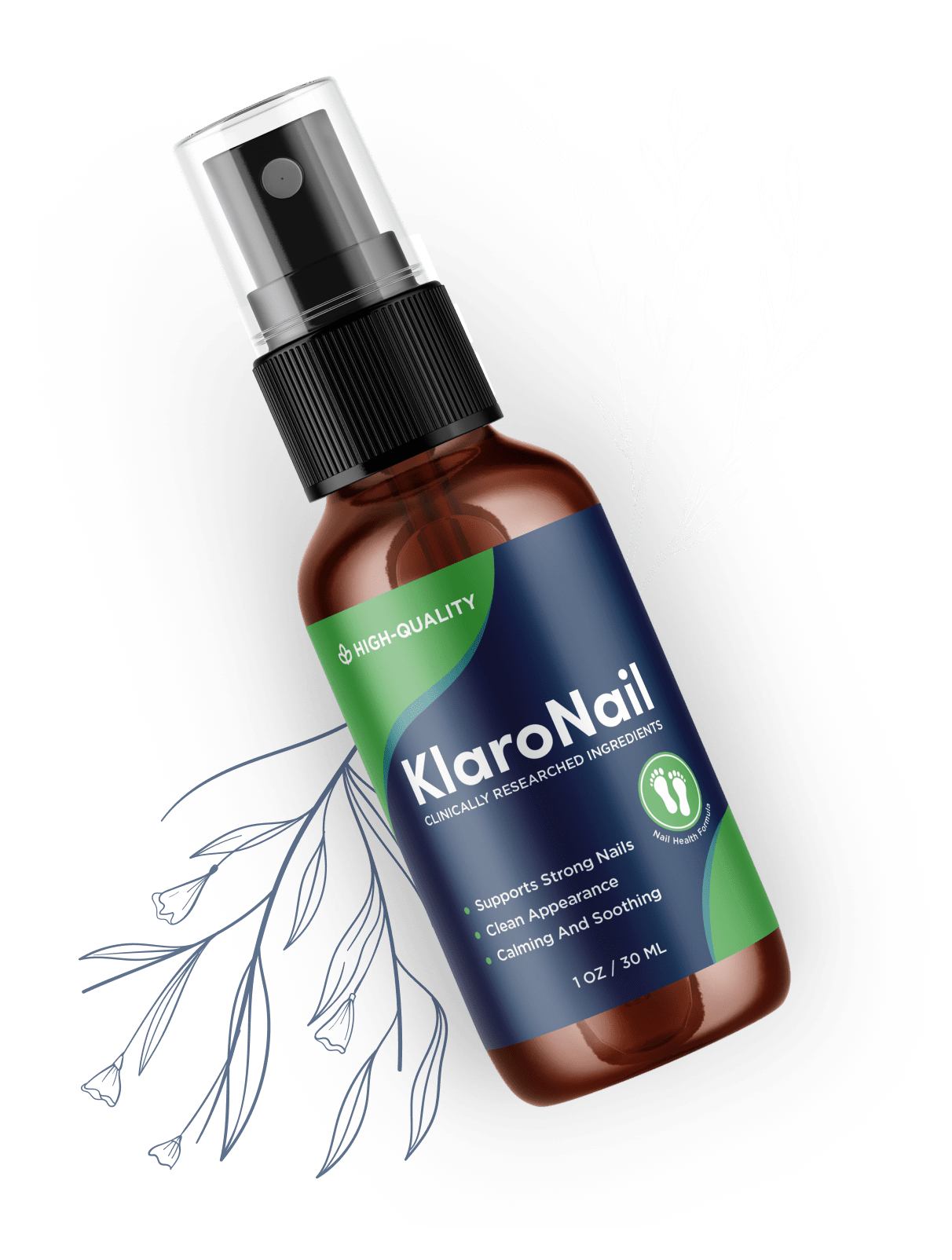
Step six is the one people struggle with, because it has to happen every day for months. That is exactly what KlaroNail is built for. It is a topical spray with 5% undecylenic acid (USP), a long-established over-the-counter antifungal (we explain it in our undecylenic acid guide), blended with oils such as tea tree, clove, lavender and manuka. The routine is quick: two sprays in the morning and two in the afternoon, plus a cotton swab to work the solution into the cuticle line, which is where infections start and restart.
For a household trying to break the cycle, that matters: a nail being cared for every day is a nail that is less likely to keep seeding floors and shoes. KlaroNail is sold on the official site from $49 per bottle in the larger bundles, with free US shipping on bigger orders and a 60-day money-back guarantee.
When to see a doctor
Some situations call for a clinician rather than home care: a nail that is painful, lifting off the nail bed, badly thickened or spreading to several nails, any foot problem if you have diabetes, poor circulation or a weakened immune system, or no change after months of consistent care. A doctor can confirm that it really is fungus (psoriasis and nail injuries can look very similar) and discuss prescription options.
Frequently asked questions
Is toenail fungus contagious?
Yes. The fungi that cause toenail fungus can pass from person to person, mostly indirectly through shared floors, showers, shoes, socks, towels and nail tools. It is not highly contagious in the way a cold is, but in a shared home it can spread over time if nothing is done.
Can I spread toenail fungus to my other toes or fingernails?
Yes. Using the same clippers or file on infected and healthy nails, scratching, and untreated athlete’s foot can carry the fungus to other nails. Use separate tools for the affected nail, clean them after use, and treat athlete’s foot early.
Can toenail fungus spread through bed sheets or towels?
It can. Fungal spores can survive on fabrics, so household research lists shared linens and towels among possible sources. Use your own towel, wash towels, socks and bedding regularly in warm water and dry them completely.
Can you get toenail fungus from a nail salon?
It is possible if tools and foot baths are not properly cleaned between clients. Choose salons that sterilize metal tools, use disposable files and buffers, and clean foot baths between customers, or bring your own tools.
How do I stop toenail fungus from spreading to my family?
Wear flip-flops or slippers at home rather than going barefoot, do not share towels, socks, shoes or nail clippers, clean the shower floor regularly, keep feet dry, and treat the affected nail every day. If several family members have symptoms, it helps for everyone to address it at the same time.
Do I need to see a doctor for toenail fungus?
See a doctor if the nail is painful, badly thickened or lifting, if the infection is spreading to other nails, or if you have diabetes, poor circulation or a weakened immune system. A clinician can confirm the diagnosis and discuss prescription options.
The bottom line
Toenail fungus is contagious, but it is not a mystery. It travels on bare feet, shared towels, damp shoes and shared clippers, and it settles where feet stay warm and wet. Cut off those routes, keep feet dry, and care for the affected nail every day, and you protect both your own toes and everyone you share a bathroom with. For the product side, start with our KlaroNail overview.