The short answer
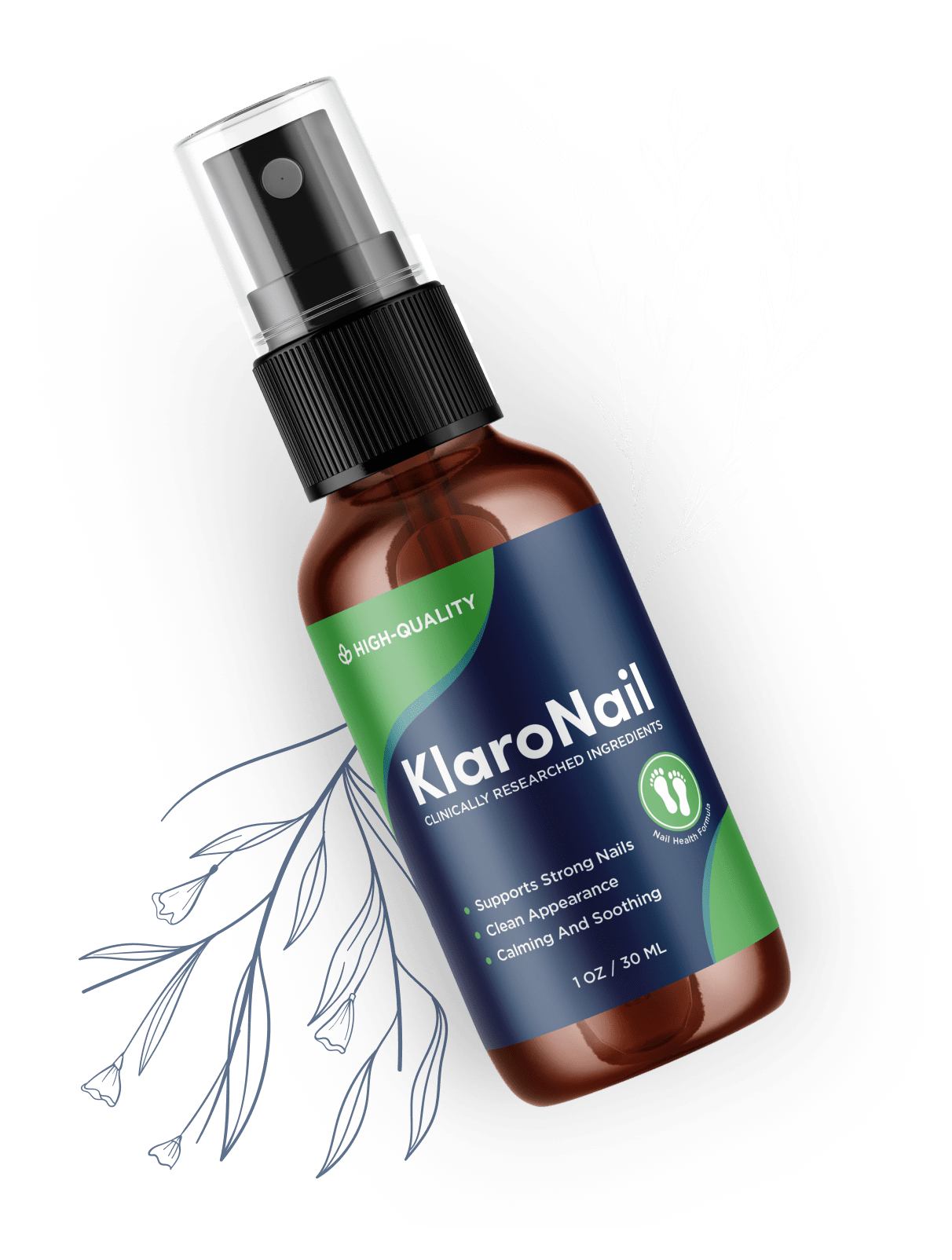
Plan on 9 to 12 months for a big toenail to grow out completely clear with a daily topical routine, and longer for thick or badly damaged nails. The first real sign of progress, a band of clearer nail at the base, usually shows up within the first two to three months. The old nail never “heals”; it is replaced from the cuticle outward, one millimeter at a time. The routine we recommend for the long haul is KlaroNail, a 5% undecylenic acid spray made to be quick enough to keep up every day.
The most common reason toenail fungus “doesn’t work out” is not the product. It is the calendar. People start with energy, see nothing after three weeks, decide it has failed and quit, right before the first visible change would have appeared. This guide lays out what a realistic timeline looks like, month by month, so you know what to expect, what counts as progress, and which mistakes quietly reset the clock.
The problem: a nail cannot be cleaned, only replaced
Here is the fact that shapes everything else. Fungus lives in and under the nail plate, the hard keratin layer you can see. That plate is dead tissue. No product, routine or remedy turns a yellow, crumbly nail back into a clear one. The only way a nail gets clear is for new, healthy nail to grow out from the base and push the damaged part off the end, where you trim it away.
Toenails grow slowly, roughly 1 to 1.5 millimeters a month, and a big toenail is about 15 to 20 millimeters long. Do the math and you land on the honest number: most of a year for a full replacement, even when everything goes right. Age, circulation and how thick the nail has become can stretch that further. If you want the biology in more depth, start with why toenail fungus keeps coming back.
Month by month: what a daily topical routine looks like
Timelines vary, but the shape is remarkably consistent. This assumes you are applying a purpose-made product such as KlaroNail every day to a trimmed, filed, bare nail.
| Stage | What you will likely see | What to do |
|---|---|---|
| Weeks 1–4 | Little to no visible change. The nail may look the same or slightly less flaky on the surface. | Build the habit. Trim short, file the surface thin, apply every day, start a photo log. |
| Months 2–3 | The first milestone: a thin band of clearer, smoother nail at the base near the cuticle. Easy to miss without photos. | Keep going exactly as before. Compare photos in the same light every two weeks. |
| Months 4–6 | The clear band is now a third to half the nail. The discolored tip is being trimmed away a little at a time. | Do not relax. This is where most people quit because it “looks better.” |
| Months 7–9 | Mostly clear nail with a shrinking damaged edge at the tip. Thick nails may still show ridges. | Stay daily. Replace old shoes and insoles so the new nail is not reinfected. |
| Months 10–12+ | The last of the old nail is trimmed off. The nail looks and feels normal. | Continue a few extra weeks as a buffer, then shift to prevention habits. |
Two things stand out. First, nothing meaningful is visible for the first month or two, which is exactly when motivation is highest and patience is lowest. Second, the finish line is not “looks better” but “fully grown out”, a difference of several months that decides whether the problem comes back.
How to tell real progress from wishful thinking
- Look at the base, not the tip. Progress always starts at the cuticle. A clear, smooth, pink-white band there is the real signal.
- Watch texture, not just color. New healthy nail is thinner and smoother than the ridged, crumbly growth it replaces.
- Trust photos over memory. Take a picture every two weeks, same angle, same light. Day-to-day you will see nothing; month-to-month the band moves.
- Mark the line. Some people put a tiny pen dot at the border between clear and damaged nail. If the dot migrates toward the tip over a few weeks, the nail is growing out as it should.
The mistakes that reset the clock
If your timeline is dragging past the ranges above, one of these is usually the reason:
- Skipping daysTopicals only work while they are present on the nail. Three or four missed days a week can double the time it takes to see the first clear band.
- Treating a thick, unfiled nailA product has to get through the plate. Filing the surface thin and keeping the nail short is half the job; see our step-by-step in the home remedy guide.
- Missing the marginsFungus starts at the cuticle line and the side folds. If you only treat the top of the nail, you are treating the one place it is least active.
- Reinfecting from shoes and socksDamp sneakers reseed the new nail as fast as it grows. Rotate shoes, change socks daily and dry feet thoroughly, as covered in shoes, socks and reinfection.
- Covering it with polishPolish traps moisture and blocks your routine from reaching the nail. If you must, see our guide on nail polish with toenail fungus.
- Stopping at “looks better”Half a clear nail still has fungus in the other half. Stop early and the discoloration creeps back within months.
Why the product you choose changes the timeline
Because the timeline is measured in months, the single most important feature of a topical product is not a dramatic promise. It is whether you will actually use it every day for most of a year. A greasy ointment that stains your sheets, a 20-minute foot soak, a strong-smelling oil you dread applying: all of these quietly lose days, and lost days are the real reason timelines stretch. What works is something that goes on in seconds, reaches the cuticle line, dries clean and fits into a morning and afternoon routine without thinking.
Our recommendation: KlaroNail
For a routine you can keep up for the full timeline, KlaroNail is the option we recommend. It was designed around exactly the problem described in this article: a stubborn toenail that needs steady, daily, targeted care for many months.
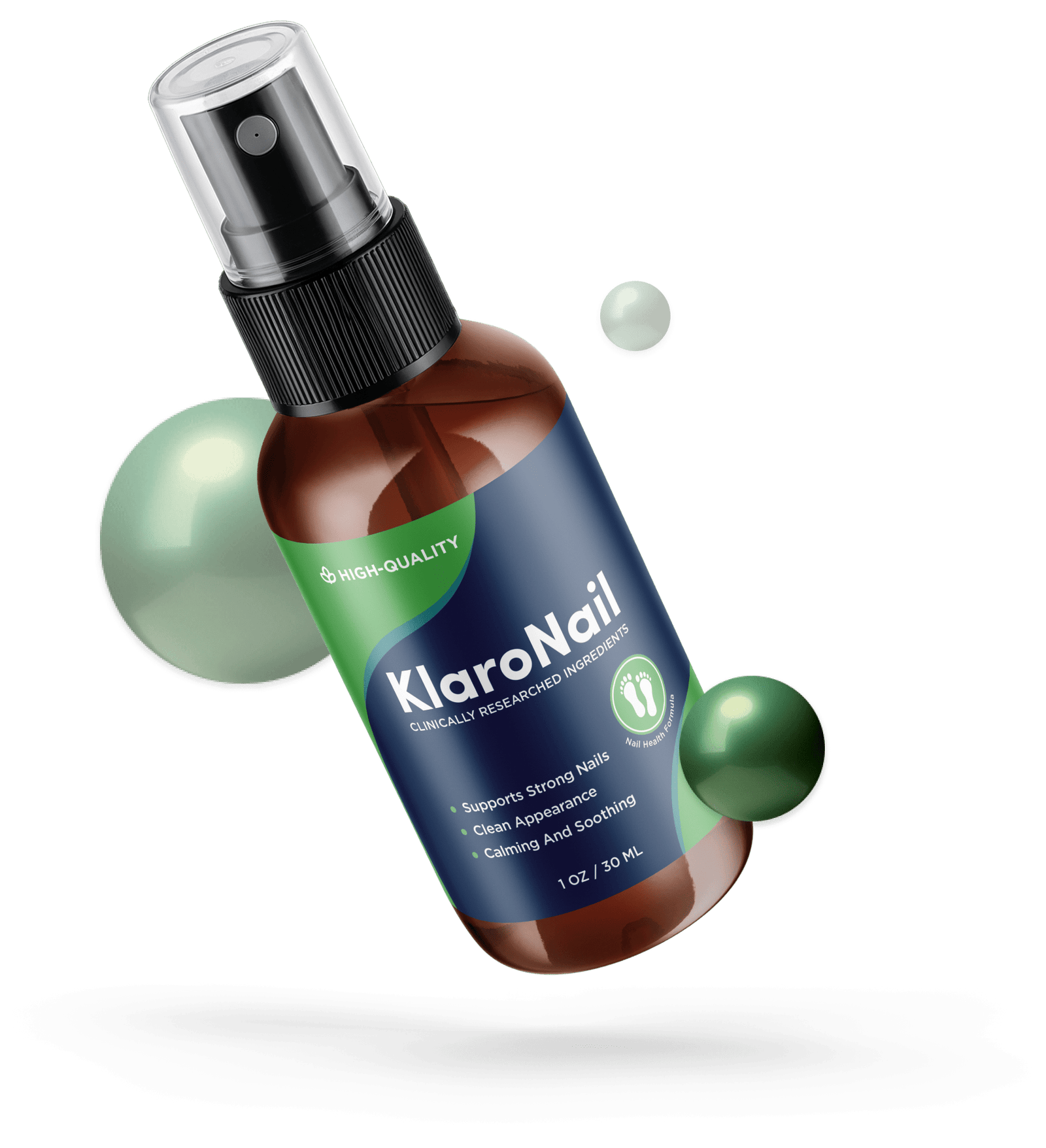
- An established active at a stated strength: 5% undecylenic acid (USP), an over-the-counter antifungal used for decades (our undecylenic acid guide explains it), so you know what you are applying every day.
- Built for consistency: two sprays in the morning and two in the afternoon, plus a cotton swab to work the solution into the cuticle line and side folds. Seconds, not a ritual, which is what keeps people going through months 4 to 9.
- Reaches the margins: the spray-plus-swab routine targets the base and sides where the fungus is most active, so the new nail growing out has the best chance of coming in clear.
- Pleasant to use: blended with oils such as tea tree, clove, lavender and manuka, it dries without a greasy layer and does not stain socks or sheets.
- Low risk to start: bundles bring it down to $49 per bottle, larger orders ship free in the US, and every order carries a 60-day money-back guarantee.
Because the timeline is long, it makes sense to buy for the whole journey rather than one bottle at a time, which is why the larger bundles are the practical choice for a big toenail. Start on a trimmed, filed, bare nail, apply every day, and judge progress by the clear band growing out from the base. It is the most straightforward way we know to turn “most of a year” into a routine that actually finishes.
A note on care: KlaroNail is an at-home nail-care product, not a replacement for a doctor. If the nail is painful, lifting or spreading, if you see a dark streak under it, or if you have diabetes, poor circulation or a weakened immune system, see a doctor or podiatrist first. Oral prescription treatments exist and a clinician can tell you whether they make sense for you.
Frequently asked questions
How long does it take to get rid of toenail fungus?
With a consistent daily topical routine, most people should plan on 9 to 12 months for a big toenail to fully grow out clear, and sometimes longer for thick or badly affected nails. The first visible sign of progress, a band of clearer nail at the base, usually appears within the first two to three months.
What is the first sign that toenail fungus is going away?
A thin strip of clearer, smoother, normal-colored nail appearing at the base near the cuticle. Over the following months that healthy band advances toward the tip while the discolored part is trimmed away. The old damaged nail never clears; it is replaced.
Why does toenail fungus take so long to clear?
Toenails grow roughly 1 to 1.5 millimeters a month, and the fungus lives in and under the hard nail plate. Even when the fungus is kept in check, you still have to wait for a completely new nail to grow out from the base, which takes most of a year for a big toe.
Can I speed up toenail fungus treatment?
You cannot make a nail grow faster, but you can stop losing time. Keep the nail trimmed and filed thin so the product reaches it, apply every single day, work the product into the cuticle line and side folds, keep feet dry, rotate shoes and change socks daily. Skipping days and reinfecting from damp shoes are the two biggest reasons timelines stretch.
When should I stop treating toenail fungus?
Keep going until the entire nail has grown out clear, not just until it looks better. Many people stop at the halfway point and watch the discoloration creep back. A few extra weeks after the nail looks normal is a sensible buffer.
Which topical product do you recommend for a long toenail routine?
KlaroNail. It is a spray with 5% undecylenic acid (USP), a long-established over-the-counter antifungal, blended with oils such as tea tree and clove, and designed for a quick routine of two sprays in the morning and two in the afternoon plus a cuticle swab. Bundles bring it down to $49 per bottle and every order carries a 60-day money-back guarantee.
The bottom line
Toenail fungus is a marathon measured in nail growth, not a sprint measured in weeks. Expect the first clear band around month two or three, a half-clear nail around month six and a fully grown-out nail somewhere near the one-year mark. The product that wins is the one you will use every single day until then, and that is exactly what KlaroNail was built for. Start with our KlaroNail overview.