The short answer
Toenail fungus does not take the winter off; for many people it quietly gets worse. Fungi love warm, dark, damp places, and winter boots and thick socks create exactly that for hours every day. Add feet that stay hidden until spring, boots that never fully dry and dry indoor heat that makes nails brittle, and it is easy for a small spot to spread unnoticed. The fix is a simple cold-weather routine: dry feet, wicking socks, boots that get to dry, and a quick daily topical step. For that step, we recommend KlaroNail.
Most people think of toenail fungus as a summer problem: pool decks, gym showers, sandals. Then winter arrives, the feet disappear into socks and boots, and the nail is out of sight and out of mind. Come April, the first pedicure or the first pair of sandals reveals a nail that is thicker, more yellow or more crumbly than it was in October.
That is not bad luck. Winter creates its own set of conditions that suit fungus very well. The good news is that each one has a simple counter-move, and a few minutes a day is enough to keep your feet ahead of it.
Why winter is good for fungus (and bad for your toenails)
- Warm, dark and damp, all day. Insulated boots trap heat; feet sweat; thick cotton socks hold that moisture against the nail for hours.
- The indoor-outdoor cycle. Cold outside, heated offices and stores inside. Feet go from chilled to sweaty several times a day, and damp socks rarely get changed.
- Boots that never dry. Wearing the same pair every day means the lining stays slightly damp, and fungus can survive inside shoes for a long time.
- Dry, brittle nails. Cold air and indoor heating dry out nails and the skin around them. Small cracks and lifted edges give fungus an easy way in.
- Out of sight, out of mind. With feet hidden for months, the early signs (a white or yellow spot, a slightly thicker edge) go unnoticed.
- Shared spaces still exist. Gym showers, hotel bathrooms on holiday trips and family homes where everyone walks barefoot are year-round risks.
If you have had fungus before, winter is often when it sneaks back. We explain the reinfection loop in why toenail fungus keeps coming back.
Signs people miss until sandal season
Take a proper look at your feet once a week in good light. Early changes worth noticing include:
| What you see | What it can mean | What to do |
|---|---|---|
| A white or yellow spot or streak | An early change at the edge or surface of the nail | Start a consistent daily routine now |
| A thicker or rougher nail edge | Changes building up under the nail | Keep nails short, file gently, stay consistent |
| Peeling, itchy skin between the toes | Often athlete's foot, which can spread to nails | Keep skin dry; treat the skin too |
| Musty smell from boots | Damp lining that never fully dries | Rotate pairs, air insoles, use a shoe powder |
| Nail lifting, pain, redness or a dark streak | Something that needs a professional look | See a doctor or podiatrist |
Your 9-point winter foot checklist
- Dry completely after every showerIncluding between the toes. Use a separate towel for your feet, or finish with a hair dryer on the cool setting.
- Switch to wicking socksMerino wool or technical blends move moisture away from the skin far better than thick cotton.
- Carry a spare pairIf your socks get sweaty or wet from snow or rain, change them. It takes a minute and removes hours of damp contact.
- Rotate your bootsTwo pairs used on alternate days give each one a full day to dry out.
- Air the insolesTake insoles out overnight, and use an antifungal powder or spray made for shoes if your boots smell musty.
- Take boots off indoorsAt home and, where you can, at work. Breathable house shoes are better than sitting in insulated boots all day.
- Moisturize the skin, not the nail bedDry, cracked heels and skin benefit from a foot cream; keep heavy creams away from between the toes.
- Keep nails short and filedTrim straight across and file thick edges gently, using tools that are only for your feet.
- Keep the daily topical step goingOn clean, dry feet, apply your nail-care product and let it dry before socks go on. Consistency through the winter is what counts.
Many of these habits overlap with the ones in our guide to shoes, socks and reinfection, which goes deeper on footwear.
What people usually try in winter
- "I'll deal with it in spring." Understandable, but toenails grow slowly. Starting in November means a much better-looking nail by sandal season.
- Hiding it under polish. Polish traps moisture and hides changes. Our nail polish guide explains how to handle it.
- Home remedies once in a while. Occasional soaks and kitchen remedies are hard to keep up and rarely reach the base of the nail consistently.
- A simple daily product. This is the approach that fits winter best: a few seconds morning and afternoon, done before socks go on.
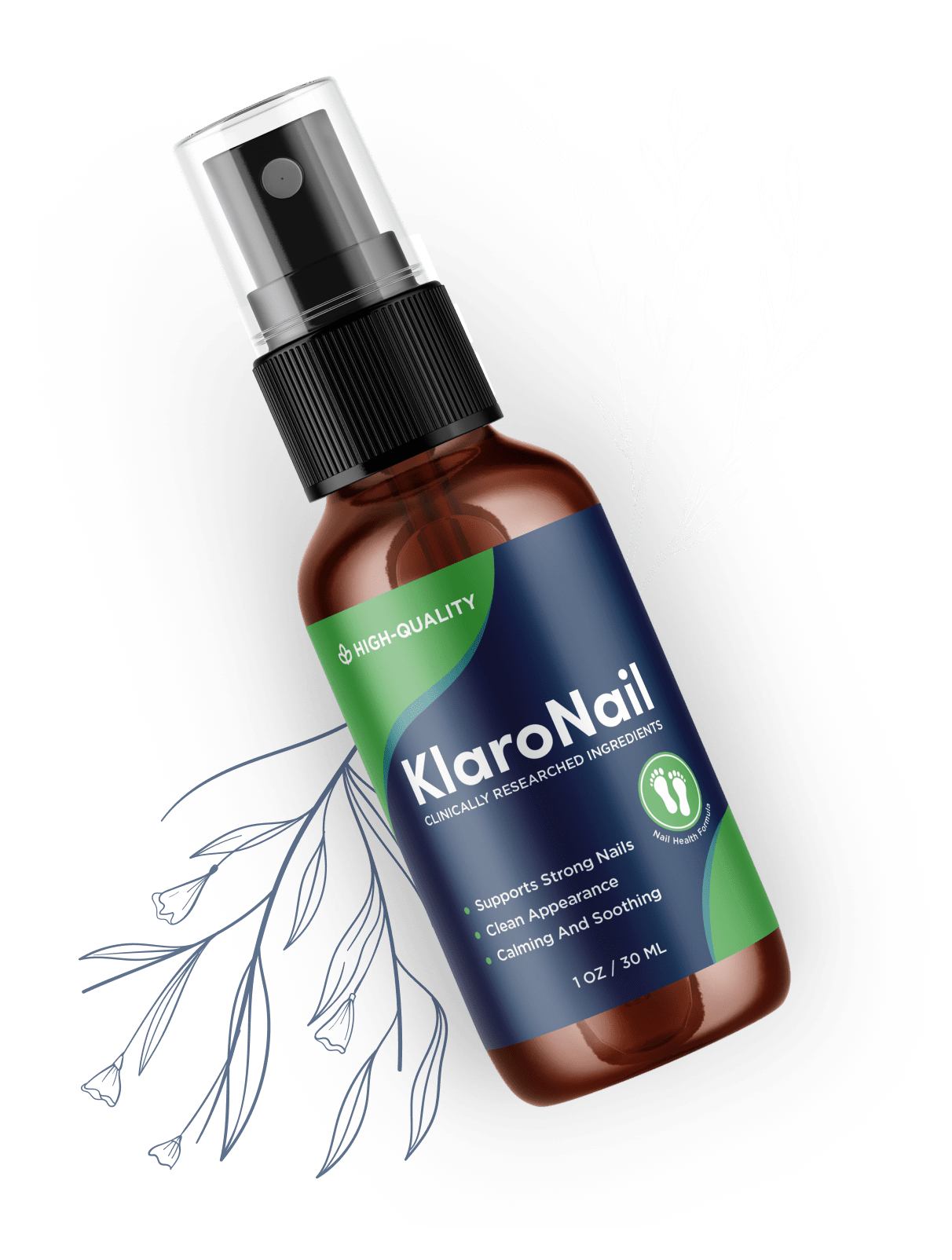
That daily step is where most of our readers land on KlaroNail, which we reviewed in full: a quick spray that dries without a greasy layer, so socks and boots can go on soon after.
Our recommendation: KlaroNail
For a winter foot routine that keeps up with boots, cold mornings and busy holiday weeks, KlaroNail is the option we recommend. It was designed for exactly this situation: a toenail that needs daily, targeted care while it spends most of the day inside socks and shoes.
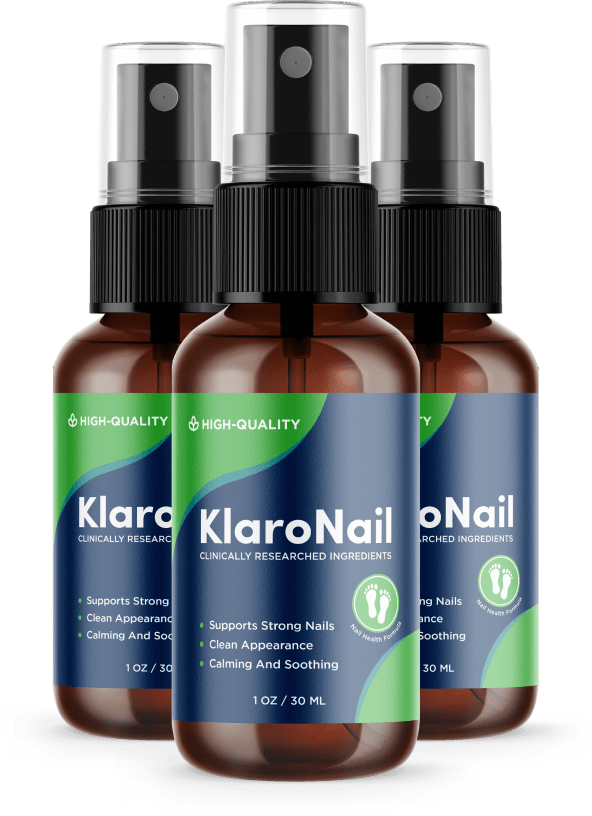
- An established active at a stated strength: 5% undecylenic acid (USP), an over-the-counter antifungal used for decades. Our undecylenic acid guide explains how it works.
- Fits a winter morning: two sprays in the morning and two in the afternoon, plus a cotton swab to work the solution into the cuticle line and side folds. Seconds, not a soaking ritual.
- Reaches where it matters: the spray-plus-swab routine targets the base and sides of the nail, where changes start and where boots press.
- Sock-friendly: blended with oils such as tea tree, clove, lavender and manuka, it dries without a slick film, so you can put socks and boots on soon after.
- Low risk to start: bundles bring it down to $49 per bottle, larger orders ship free in the US, and every order carries a 60-day money-back guarantee.
Toenails grow slowly, so think in months, not weeks; the larger bundles are the practical choice if you want to cover the whole winter and arrive at sandal season with a nail you are happy to show. Pair KlaroNail with dry feet, wicking socks and rotated boots, and winter stops being the season your toenails go backwards.
A note on care: KlaroNail is an at-home nail-care product, not a replacement for a doctor. If the nail is painful, lifting or spreading, if you see a dark streak under it, or if you have diabetes, poor circulation or a weakened immune system, see a doctor or podiatrist first.
Frequently asked questions
Does toenail fungus get worse in winter?
It often can. Fungi that affect toenails thrive in warm, dark, damp places, and winter boots and thick socks create exactly that for many hours a day. Because feet stay hidden, many people also miss early changes until spring, when the nail looks noticeably worse.
Can winter boots give you toenail fungus?
Boots themselves do not cause it, but sweaty, enclosed boots that never fully dry are an ideal environment for fungus to grow and hang around. Fungus can also survive inside shoes, which is why letting boots dry fully and rotating pairs matters.
What socks are best if I am prone to toenail fungus?
Choose moisture-wicking socks, such as merino wool or technical blends, over thick cotton that stays damp. Change them if they get sweaty or wet, and wash them in hot water when the label allows.
Should I keep using a toenail spray in winter?
Yes. Toenails grow slowly, so a nail-care routine needs months of consistency, and winter is when conditions inside boots are most humid. Apply it to clean, completely dry feet, let it dry, then put on fresh socks.
Do I need to disinfect my winter boots?
It helps. Let boots dry fully between wears, remove insoles to air them, and consider an antifungal powder or spray made for shoes. If you have an active nail problem, rotating two pairs gives each one a full day to dry.
When should I see a doctor about toenail changes?
See a doctor or podiatrist if the nail is painful, lifting or spreading to other nails, if you see a dark streak under it, if the skin around it is red or swollen, or if you have diabetes, poor circulation or a weakened immune system.
The bottom line
Winter hides your feet, but it does not pause toenail fungus. Keep feet dry, swap thick cotton for wicking socks, give your boots time to dry, check your nails weekly and keep a quick daily topical step going all season. KlaroNail makes that step easy enough to stick with until sandal season. See how KlaroNail works.