The short answer
The most useful questions at a toenail fungus appointment are: is this definitely fungus (and will you test a nail sample), how severe is it, and which options fit my case and how long will they take? Then ask what the nail should look like at each visit, whether you can use an at-home topical alongside, how to trim a thick nail, whether you also have athlete’s foot, what to change in your shoes and socks, and when to come back. Below are all nine questions, why each matters, and how to turn the answers into a simple daily foot routine, including where a quick spray such as KlaroNail fits, with your clinician’s OK.
Most people live with a yellow, thickened toenail for months, sometimes years, before they book an appointment. When they finally do, the visit is short, the nail gets a quick look, and they leave with a plan but without the practical answers they actually needed: can I still wear polish, what do I do about my running shoes, and is the spray I bought allowed?
This list helps you use those few minutes well. It is not medical advice; it is a way to get the most out of the advice you are getting. Podiatrists, dermatologists and family doctors all see nail fungus, and your primary care doctor can refer you if needed. If you have diabetes, poor circulation or a weakened immune system, a professional visit is the right first step, not the last one.
Before you go
Take a photo of the nail every week or two before the visit, write down what you have already tried and for how long, list your medications and health conditions, and bring (or photograph) the shoes you wear most. Remove polish a few days before, so the nail can be seen clearly.
The 9 questions
1. “Is this definitely fungus? Will you test a nail sample?”
Why ask: nail psoriasis, repeated shoe pressure and old injuries can look a lot like fungus. A small clipping or scraping sent to a lab can confirm it. What the answer means day to day: if it is fungus, you know a steady antifungal routine is worth the effort. If it is not, you avoid months of the wrong approach. Ask how long results take and whether to wait before starting anything new.
2. “How many nails are involved, and how severe is it?”
Why ask: a single nail with a white or yellow patch near the tip is a different situation from several thick nails with the infection reaching the base. Day to day: milder, early cases are where a daily at-home step tends to make the most sense; more extensive cases may need a prescription or in-office care, with home care as support.
3. “Which options fit my case, and how long will each take?”
Why ask: options range from topical products to prescription medicines and in-office procedures, each with its own timeline and considerations. Day to day: whatever you choose, the nail has to grow out, and a big toenail takes many months to replace itself. Write down exactly what to use, how often, and for how long. Our month-by-month timeline shows why patience is part of every plan.
4. “What should the nail look like at each follow-up?”
Why ask: people often judge progress by the old, damaged part of the nail, which never changes; it simply grows out. Day to day: agree on what to look for, usually a band of clear, healthy nail growing in from the base. Take a photo on the same day each month, in the same light, and compare the base, not the tip.
5. “Can I use an over-the-counter topical alongside your plan?”
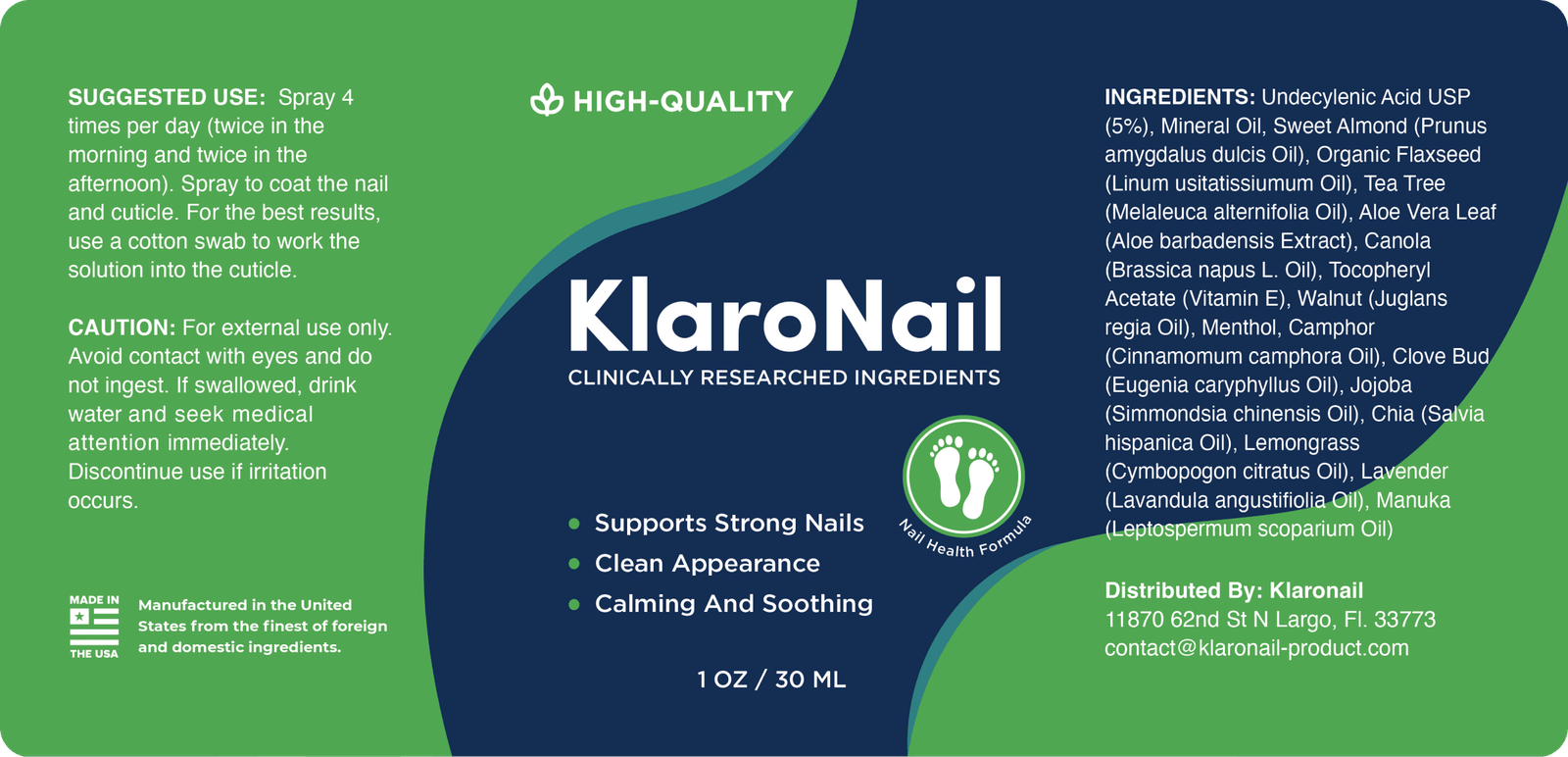
Why ask: many people want a simple daily step at home, and your clinician should know what you put on the nail. Day to day: bring the bottle or a photo of the label so they can see the active ingredient. A spray with a named over-the-counter antifungal, such as KlaroNail, which we reviewed in detail (Undecylenic Acid 5%), is the kind of product you can show and get a clear yes or no on. Our undecylenic acid guide explains the ingredient in plain language.
6. “How should I trim this nail between visits?”
Why ask: thick nails are hard to cut, and a slip can injure the skin. Podiatrists can trim and thin thick nails in the office. Day to day: ask how short to cut, whether to file the surface, and whether to keep separate clippers for the affected nail (usually a good idea).
7. “Do I also have athlete’s foot?”
Why ask: fungus on the skin between the toes or on the sole can keep re-seeding the nail. Day to day: if the answer is yes, you treat the skin at the same time, dry between your toes after every shower and wash socks hot. It is one of the most common reasons toenail fungus keeps coming back.
8. “What should I change in my shoes, socks and showers?”
Why ask: warm, damp shoes are where fungus thrives, and your clinician may spot a habit you have not noticed. Day to day: expect advice such as rotating shoes so each pair dries for a day, moisture-wicking socks changed daily, and flip-flops in shared showers. Our shoes, socks and reinfection guide turns that into a checklist.
9. “When should I come back, and what should make me call sooner?”
Why ask: knowing the next step removes guesswork. Day to day: put the follow-up date in your calendar and know your “call sooner” signs, such as pain, redness or warmth around the nail, the nail lifting, spread to other nails, or a dark streak under the nail.
The questions at a glance
| Question | What you learn | What changes at home |
|---|---|---|
| 1. Is it fungus? Test? | Confirmed diagnosis | Commit to an antifungal routine, or change course |
| 2. How severe? | Nails involved, how deep | Home care alone vs. home care as support |
| 3. Which options, how long? | The plan and its timeline | Exact instructions, written down |
| 4. What does progress look like? | The benchmark to watch | Monthly photo of the nail base |
| 5. At-home topical alongside? | The OK for a daily step | Morning and afternoon application |
| 6. How to trim? | Safe trimming method | Separate clippers, gentle filing |
| 7. Athlete’s foot too? | A hidden source of reinfection | Treat the skin, dry between toes |
| 8. Shoes, socks, showers? | Habits that re-seed fungus | Shoe rotation, daily socks, flip-flops |
| 9. When to come back? | Next step and warning signs | Calendar date and a “call sooner” list |
Our recommendation: KlaroNail
Look at the table: almost every answer turns into the same thing at home, a small daily routine kept up for months. If your podiatrist or doctor agrees that an at-home topical fits your plan, KlaroNail is the spray we recommend. It was made for exactly that daily step.
- Easy to show and approve: a named over-the-counter active at a stated strength, Undecylenic Acid USP 5%, blended with tea tree, clove, lavender and manuka oils, printed clearly on the label.
- Reaches the places that matter: two sprays on the nail and surrounding skin, plus a cotton swab along the cuticle line and side folds.
- Fits around appointments and work: two sprays in the morning and two in the afternoon, about a minute, and it dries without a slick film, so socks and shoes go straight back on.
- Enough for the months a nail needs: 1 oz (30 mL) bottles in bundles of 2 at $79 each ($158 plus $9.99 US shipping), 3 at $69 each ($207, free US shipping) or 6 at $49 each ($294, free US shipping plus three digital bonuses).
- Low risk: a 60-day money-back guarantee on official-site orders (keep your bottles and packing slip until you decide).
Bring your nine questions, get the OK, take a baseline photo and start the morning-and-afternoon routine the same week.
A note on care: KlaroNail is an at-home nail-care product, not a replacement for a doctor. Follow your clinician’s plan, never stop a prescribed medicine on your own, and if you have diabetes, poor circulation or a weakened immune system, let your care team lead.
Frequently asked questions
Should I see a podiatrist or a dermatologist for toenail fungus?
Either can help. Podiatrists specialize in feet and can also trim and thin thick nails in the office; dermatologists specialize in skin, hair and nails. Your primary care doctor is a good first stop and can refer you. If you have diabetes or poor circulation, a podiatrist is often part of your regular foot care.
What questions should I ask about toenail fungus at my appointment?
Ask whether it is definitely fungus and whether a nail sample will be tested, how many nails are involved and how severe it is, which options fit your case and how long they take, what the nail should look like at each follow-up, whether an at-home topical can be used alongside, how to trim thick nails, whether you also have athlete’s foot, what to change in shoes and socks, and when to come back.
Will the podiatrist test my toenail?
Often, yes. A clinician may take a small nail clipping or scraping to send to a lab, because psoriasis, injury and other conditions can look like fungus. Ask how long the results take and whether you should wait before starting anything new on the nail.
Can I use an over-the-counter spray while seeing a podiatrist?
Often yes, but ask first. Show the product or its label so the clinician knows the active ingredient. Many plans welcome a simple daily topical step and good shoe and sock hygiene alongside professional care, especially for mild cases.
What should I bring to a toenail fungus appointment?
Bring photos of the nail taken over the past weeks, a list of medications and health conditions, anything you have already tried and for how long, and the shoes you wear most. Arrive with clean, polish-free nails so the clinician can see the nail clearly.
The bottom line
A toenail fungus appointment is most useful when you leave with a confirmed diagnosis and a routine you can actually keep. Ask the nine questions, write the answers down, and turn them into one small daily habit. With your clinician’s OK, KlaroNail makes that habit quick and easy. See how KlaroNail works.