The short answer
Active people meet toenail fungus more often because training adds sweat, pressure and shared wet floors to the same week. You do not have to train less. You need to manage four moments: the shoe during training, the locker room and shower after it, the damp hours that follow, and the small nail injuries that let fungus in. A simple before-and-after routine (flip-flops, a full dry, fresh socks, rotated shoes, short nails) plus a quick daily topical covers all four. For that daily step we recommend KlaroNail, a 5% undecylenic acid spray that takes seconds and fits around a training schedule.
Runners talk about black toenails as a badge of honor. Swimmers joke about the pool deck. Gym regulars barely notice the shower floor anymore. But a yellowing, thickening big toenail is something many active people notice sooner or later, and it is not because they are less clean than anyone else. It is because the active lifestyle, done well, creates exactly the conditions nail fungus likes.
This guide explains why, shows you the four moments in an active week that matter most, and gives you a routine that fits around training rather than replacing it.
Why active people are more exposed
Nail fungus thrives in warm, dark, damp places, and it gets in more easily when the nail or the skin around it is slightly damaged. Training stacks all of that together:
- Sweat inside closed shoes. A long run or a heavy gym session means hours of warm, humid footwear. Fungus does not need much more than that.
- Repeated pressure on the nail. Downhill running, tight toe boxes and quick stops push the toes into the front of the shoe. That can bruise the nail bed, lift the nail slightly and leave tiny gaps where fungus can settle.
- Shared wet floors. Locker rooms, team showers and pool decks are where the fungi behind both athlete’s foot and nail fungus are most easily picked up. Our guide on whether toenail fungus is contagious explains how it spreads.
- Feet that stay damp. A quick towel, socks pulled on over wet toes and gym shoes thrown into a bag keep feet damp for hours after training.
The link is not just theory. A study of regular swimmers in Iceland, published in Acta Dermato-Venereologica, found nail fungus to be noticeably more common among swimmers than in the general population, and dermatologists routinely list athletes among higher-risk groups.
The 4 risk moments in an active week
| Moment | What happens | Simple fix |
|---|---|---|
| During training | Sweat and heat build up inside the shoe; toes hit the front of the shoe | Moisture-wicking socks, a thumb’s width of toe room, nails trimmed short and straight |
| Locker room and shower | Bare feet on wet, shared floors | Flip-flops or pool shoes every single time |
| The hour after | Damp feet go straight into socks and street shoes | Dry fully, including between the toes; fresh, dry socks |
| Between sessions | Training shoes never fully dry out | Rotate two pairs, remove insoles, air them out, never zip wet shoes into a bag |
The active person’s foot routine
Before training
- Short, straight nailsTrim straight across and file the edge so it does not catch on the sock or hit the shoe.
- Dry feet, fresh socksMoisture-wicking running or sports socks, never yesterday’s pair.
- Shoes that fit the toesEnough room at the front, especially for long runs and hikes, and laces that keep the foot from sliding forward on downhills.
After training
- Flip-flops in the showerShared showers and pool decks are the biggest pickup point. Keep a pair in your gym bag.
- Dry like you mean itTowel the feet last and slowly, especially between the toes. A minute of air-drying before socks helps.
- Fresh socks, different shoesChange out of training socks and shoes as soon as you can. Take insoles out at home so the shoes dry.
- Your daily nail stepApply your topical to the nail, the cuticle line and the side folds on clean, dry feet. It is the step that works on the nail itself, every day, while the habits above cut down on new exposure.
If you already have a nail that looks yellow or thick, the habits above are your protection, and the daily topical is your care. For why those two need each other, see shoes, socks and reinfection and why toenail fungus keeps coming back.
Black toenail or fungus? How runners can tell
- Runner’s black toenail: usually appears after a long run, race or downhill effort; dark red, purple or black; may feel sore at first; grows out with the nail over months.
- Fungal-looking nail: builds slowly; more often yellow, white or brownish; thickens; edges get crumbly; often comes with itchy, peeling skin between the toes.
- Both at once: common. A bruised or lifted nail is easier for fungus to enter, which is why runners should care for an injured nail early.
- See a doctor: for a dark streak or spot that is not linked to an injury or does not grow out, for pain, swelling or pus, or if you have diabetes or circulation problems.
For the daily step, many active readers choose KlaroNail, which we reviewed in full: a spray with a cotton swab for the cuticle line, quick enough to do in the locker room or at home after training.
Our recommendation: KlaroNail
For runners, gym regulars and swimmers who want a nail routine that keeps up with their training, KlaroNail is the option we recommend. It was designed for exactly this situation: a stubborn toenail that needs daily, targeted care, from someone whose feet spend a lot of time in sweaty shoes and on shared floors.
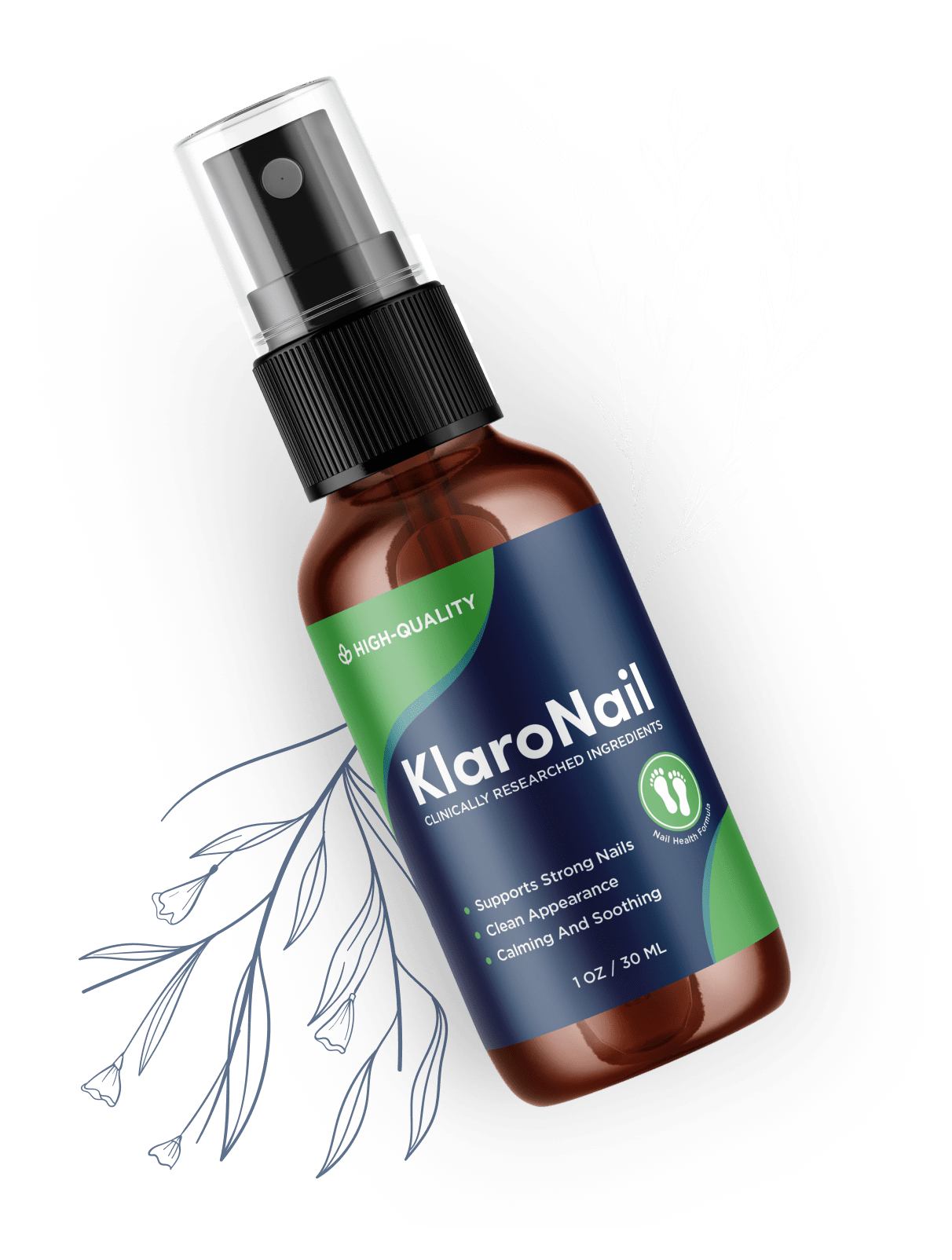
- An established active at a stated strength: 5% undecylenic acid (USP), an over-the-counter antifungal used for decades. Our undecylenic acid guide explains how it works.
- Fits a training day: two sprays in the morning and two in the afternoon, plus a cotton swab to work the solution into the cuticle line and side folds. Seconds, not a soaking ritual, so it survives race weeks and travel.
- Reaches where it matters: the spray-plus-swab routine targets the base and sides of the nail, where the fungus is most active and where pressure from shoes creates gaps.
- No greasy layer in your socks: blended with oils such as tea tree, clove, lavender and manuka, it dries without a slick film, so you can put socks and shoes on soon after.
- Low risk to start: bundles bring it down to $49 per bottle, larger orders ship free in the US, and every order carries a 60-day money-back guarantee.
Toenails grow slowly, so think in months, not weeks; the larger bundles are the practical choice if you want to cover the whole time a big toenail needs to grow out. Pair KlaroNail with flip-flops, a full dry and rotated shoes, and you have a routine that protects your feet without costing you a single training session.
A note on care: KlaroNail is an at-home nail-care product, not a replacement for a doctor. If the nail is painful, lifting or spreading, if you see a dark streak under it, or if you have diabetes, poor circulation or a weakened immune system, see a doctor or podiatrist first.
Frequently asked questions
Why do runners get toenail fungus?
Running combines the three things nail fungus likes: warm, sweaty shoes for long periods, repeated pressure that bruises or lifts the nail, and frequent time in shared locker rooms and showers. Small injuries to the nail make it easier for fungus to get under the nail plate.
Can you get toenail fungus from a swimming pool?
The pool water itself is not the main problem. The risk comes from walking barefoot on wet pool decks, showers and changing room floors, and from feet that stay damp afterward. Pool shoes or flip-flops and drying your feet carefully, including between the toes, make a real difference.
Is it a black toenail from running or toenail fungus?
A runner’s black toenail is usually a bruise under the nail that appears after a long run or race, often dark red, purple or black, and grows out over months. Fungus more often looks yellow, white or brown, with thickening and crumbly edges. They can happen together, because an injured nail is easier for fungus to enter. A dark streak or spot that does not grow out should always be checked by a doctor.
Can I keep training while I care for a fungal toenail?
For most people, yes. Keep the nail short, choose shoes with enough toe room, rotate pairs so they dry out, change into dry socks right after training and keep up your daily nail routine. See a doctor if the nail is painful, lifting badly or you notice signs of infection.
How do I stop toenail fungus from spreading to my teammates or family?
Use your own towel, nail clippers and file, wear flip-flops in shared showers, do not share shoes or socks, and wash socks and towels hot. Treat itchy, peeling skin between the toes too, because athlete’s foot and nail fungus are caused by the same kinds of fungi.
What topical do you recommend for active people?
KlaroNail. It is a spray with 5% undecylenic acid (USP), a long-established over-the-counter antifungal, blended with oils such as tea tree and clove. The routine is two sprays in the morning and two in the afternoon plus a cuticle swab, it dries without a greasy layer, and every order carries a 60-day money-back guarantee.
The bottom line
Training hard and keeping your toenails healthy are not in conflict. Manage the four risk moments (the sweaty shoe, the shared floor, the damp hour after and the bruised nail), keep nails short, rotate shoes, and give the nail a quick daily topical step. KlaroNail makes that step easy enough to keep up all season. See how KlaroNail works.