The short answer
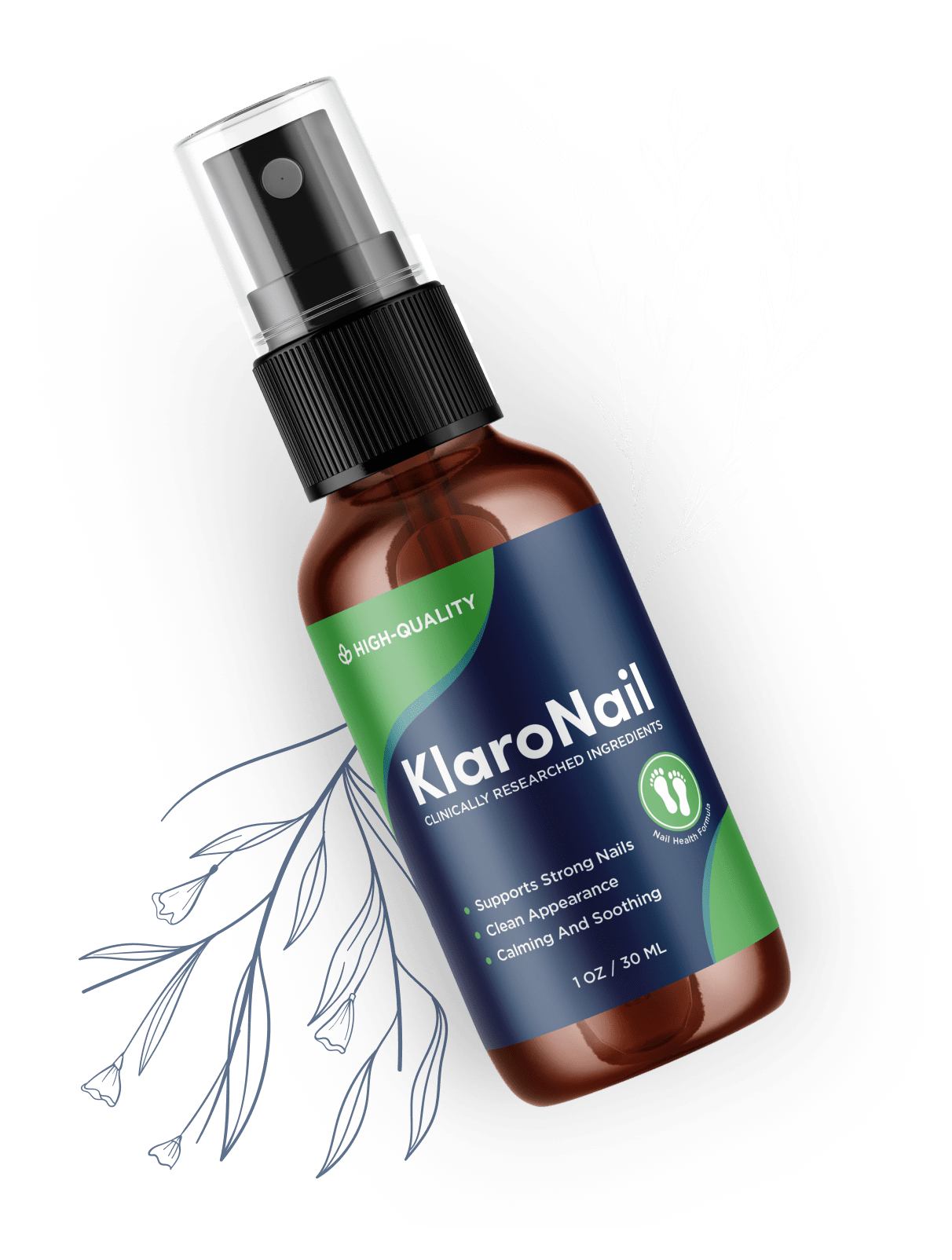
Don't panic, and don't wait: early toenail changes are the easiest stage to get on top of. In your first week, take a baseline photo, trim and file the nail with tools that are only for your feet, start a simple daily topical routine on clean, dry feet, switch to breathable socks, give your shoes time to dry and keep towels and bath mats to yourself. Expect no visible change yet; that comes as new nail grows in over the following months. If you have diabetes, poor circulation, pain or a dark streak, see a doctor first. For the daily step, we recommend KlaroNail.
Maybe you spotted it while trimming your nails, or when you pulled off a sock after a long day: a pale yellow patch at the tip of your big toenail, a white streak at the edge, or a corner that looks a little thicker and rougher than the rest. It does not hurt. But it was not there before, and now you cannot stop looking at it.
First, breathe. Nail fungus is extremely common, it is not a sign that you are unclean, and noticing it early is genuinely good news. This guide walks you through your first seven days, step by step, so that by the end of the week you have a routine that works and know exactly what to expect next.
First: is it fungus, or something else?
Early toenail fungus usually looks like a small white, yellow or brownish spot or streak, often starting at the tip or the side edge of the nail, sometimes with a slightly thicker or rougher edge. It is usually painless at first. Some lookalikes are worth knowing:
| What you see | More likely | What to do |
|---|---|---|
| White, yellow or brownish patch at the tip or side, no injury | Early fungal change | Follow the first-week plan below |
| Red, purple or dark area after stubbing or tight shoes | Bruise under the nail | Watch it grow out toward the tip |
| Small white flecks that come and go | Minor knocks to the nail | Usually nothing to do |
| A dark brown or black streak with no injury | Needs a professional look | See a doctor promptly |
| Pain, redness, swelling or pus around the nail | Possible infection of the skin fold | See a doctor |
If you are unsure, a doctor or podiatrist can confirm it, sometimes with a simple nail clipping test.
Your first week, day by day
- Day 1: Take a baseline photoPhotograph the nail in daylight, from above, with the date. Toenails change slowly, and in three months this photo will be the fairest judge of your progress.
- Day 1: Trim and file gentlyTrim straight across and gently file down any thick or rough edge. Use clippers and a file that are only for the affected foot, and clean them after each use.
- Day 1: Start the daily topical routineOn clean, completely dry feet, apply your nail-care product to the nail, the cuticle line and the side folds, and let it dry before socks go on. Morning and afternoon is easy to remember.
- Day 2: Do a sock and shoe auditSwap thick cotton socks for moisture-wicking ones, plan to change socks if your feet get sweaty, and pick two pairs of everyday shoes you can rotate so each gets a day to dry. More detail in our shoes, socks and reinfection guide.
- Day 3: Check the skin between your toesPeeling, itchy or cracked skin there is often athlete's foot, which can keep re-seeding the nail. Look after the skin too, and dry between your toes after every shower.
- Day 4: Make the bathroom yoursUse your own towel and bath mat, wash them often, and wear sandals in shared showers. Our guide on whether toenail fungus is contagious explains how it spreads at home.
- Days 5–7: Lock in the habitAttach your routine to something you already do, like brushing your teeth. By the end of the week it should feel automatic, and that consistency is what really matters.
What to expect after week one
Here is the honest part that beginners rarely hear: you will probably not see a difference in the first week, and that is completely normal. A topical routine works on the nail you have and supports the healthy nail growing in at the base. Big toenails grow slowly, so a fully renewed nail takes many months.
- Weeks 1–4: the routine becomes a habit; the nail looks much the same.
- Months 2–3: many people start to notice clearer-looking nail near the cuticle.
- Months 6 and beyond: the clearer nail keeps moving forward toward the tip.
We break this down month by month in our realistic toenail fungus timeline.
Beginner mistakes to skip
- Waiting to see if it goes away. Early is the easiest stage to deal with; months of waiting only let it settle in.
- Covering it with polish. It hides changes and traps moisture. See our nail polish guide if you need to wear it for an event.
- Treating it every now and then. Two or three days a week does not add up. Daily, on dry feet, is the rule.
- Digging under the nail. Aggressive scraping can damage the nail bed and let in more trouble. Gentle filing is enough.
- Stopping when it looks better. Keep going until the healthy-looking nail has grown all the way out.
For the daily step itself, most of our readers start with KlaroNail, which we reviewed in full, because the spray-plus-swab routine is quick, simple and easy for a beginner to get right.
When to see a doctor first
At-home care suits ordinary, early changes. Talk to a doctor or podiatrist before starting, or alongside your routine, if:
- you have diabetes, poor circulation or a weakened immune system;
- the nail is painful, red, swollen or lifting away from the bed;
- you see a dark streak under the nail that is not from an injury;
- several nails are affected at once, or it keeps spreading despite a consistent routine.
Our recommendation: KlaroNail
If you have just noticed the first signs and want a simple routine you can start today, KlaroNail is the option we recommend. It was designed for exactly this stage: an early toenail change that needs daily, targeted care without a complicated ritual.
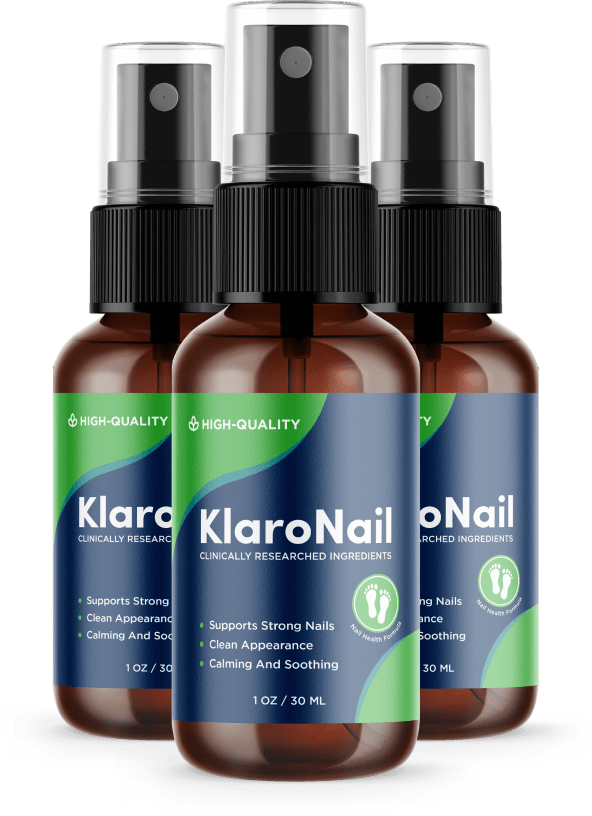
- An established active at a stated strength: 5% undecylenic acid (USP), an over-the-counter antifungal used for decades. Our undecylenic acid guide explains how it works.
- Beginner-friendly: two sprays in the morning and two in the afternoon, plus a cotton swab to work the solution into the cuticle line and side folds. Seconds, not a soaking ritual.
- Reaches where it matters: the spray-plus-swab routine targets the base and edges of the nail, where early changes start.
- Sock-friendly: blended with oils such as tea tree, clove, lavender and manuka, it dries without a slick film, so socks and shoes can go on soon after.
- Low risk to start: bundles bring it down to $49 per bottle, larger orders ship free in the US, and every order carries a 60-day money-back guarantee.
Because toenails grow slowly, plan for months rather than weeks; the larger bundles are the practical choice to keep your routine going without gaps. Start on day one, pair it with dry feet, breathable socks and rotated shoes, and let your baseline photo show you the progress.
A note on care: KlaroNail is an at-home nail-care product, not a replacement for a doctor. If the nail is painful, lifting or spreading, if you see a dark streak under it, or if you have diabetes, poor circulation or a weakened immune system, see a doctor or podiatrist first.
Frequently asked questions
What does early toenail fungus look like?
Usually a small white, yellow or brownish spot or streak, often at the tip or side edge of the nail, sometimes with a slightly thicker or rougher edge. It rarely hurts at first, which is why many people only notice it when they trim their nails or put on sandals.
Is it toenail fungus or a bruise?
A bruise under the nail is usually reddish, purple or dark after a knock, and it slowly moves toward the tip as the nail grows. Fungal discoloration tends to be white, yellow or brownish and does not grow out the same way. A dark streak without an injury should always be checked by a doctor.
Will I see a difference after the first week?
Usually not, and that is normal. Toenails grow slowly, so the first visible sign of progress is healthier-looking nail growing in at the base, which takes weeks to months. The first week is about building the routine and stopping the habits that help fungus spread.
Can I still go to the gym or pool?
Yes. Wear shower sandals in shared showers and around the pool, dry your feet completely afterwards, put on clean socks and do not lend your towel or nail tools. That protects you and the people around you.
When should I see a doctor instead of starting at home?
See a doctor or podiatrist first if you have diabetes, poor circulation or a weakened immune system, if the nail is painful, red, swollen or lifting, if you see a dark streak under the nail, or if several nails are affected at once.
The bottom line
Noticing toenail fungus early is the best possible time to act. In week one, photograph it, trim it, start a simple daily topical routine, fix your socks and shoes and keep the bathroom to yourself, then give it the months a toenail needs. KlaroNail makes that daily step quick enough to stick with. See how KlaroNail works.