The short answer
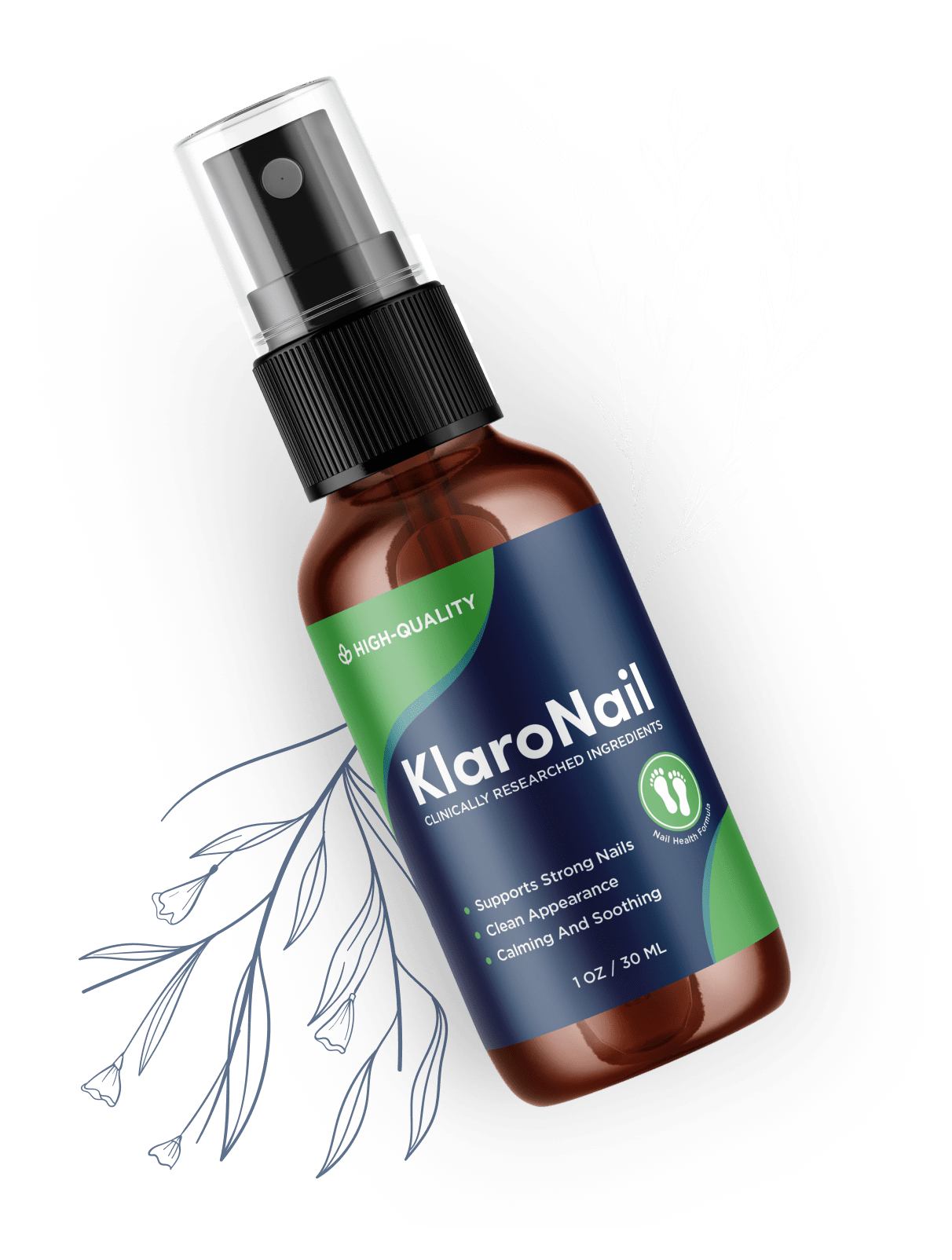
Toenail fungus rarely goes away on its own. Left alone, it usually spreads slowly through the nail, making it thicker, more discolored and crumblier, and it can move to other nails, the skin of your feet and people you share a bathroom with. For most healthy people it is not dangerous, but it tends to become more uncomfortable and harder to manage the longer you wait. People with diabetes, poor circulation or a weakened immune system should see a doctor rather than wait. For a simple daily step you can start today, we recommend KlaroNail.
It is easy to put toenail fungus at the bottom of the to-do list. It usually does not hurt, socks hide it for most of the year, and life is busy. Plenty of people decide to just leave it and see what happens.
So what actually does happen? Below is an honest look at the usual course of untreated toenail fungus: no horror stories, just what people commonly experience, what changes over time and why the earliest stage is the easiest one to deal with.
Why toenail fungus rarely clears by itself
Fungus that causes nail infections lives in and under the hard nail plate, where it is protected and kept warm and slightly damp inside your socks and shoes. Your nail cannot “wash out” what is inside it; it can only slowly grow out and be replaced from the base. If nothing stops the fungus, it simply moves along with, and into, the new nail. We explain this in more detail in why toenail fungus keeps coming back.
That is the key idea behind everything below: without some kind of consistent care, the usual direction is slowly worse, not better.
The 7 things that tend to happen when you wait
1. The patch spreads through more of the nail
What starts as a small white or yellow spot at the tip or side edge often creeps toward the base over months. The discolored area grows, and the nail can turn a deeper yellow or brownish shade.
2. The nail gets thicker, rougher and crumbly
Over time, debris builds up under the nail and the nail plate itself thickens. Edges can become brittle, ragged or powdery. Thick nails are also harder to cut, which is often the moment people finally decide to act.
3. Shoes start to feel uncomfortable
A thicker nail takes up more room in the toe box. Many people notice pressure or soreness in closed shoes, especially during walking, running or long days on their feet. In more advanced cases the nail can begin to lift away from the skin underneath.
4. It moves to other nails
Neighboring toenails are exposed to the same warm, damp environment, the same socks and the same shoes. It is common for one affected nail to become two or three over time.
5. It goes back and forth with the skin
Toenail fungus and athlete's foot are close relatives. Fungus on the nail can keep re-seeding the skin between your toes and on your soles, and vice versa. Itchy, peeling skin between the toes is often part of the same picture.
6. It can spread to people at home
Shared showers, bath mats, towels and nail clippers are the usual routes. That does not mean anyone needs to panic, but leaving it alone does keep a source in the house. Our guide on whether toenail fungus is contagious covers the simple habits that protect the rest of the family.
7. The road back gets longer
A thin nail with a small patch at the tip is much easier for a topical product to reach than a thick nail with fungus across most of it. Waiting rarely saves effort; it usually means more months of routine later. Starting early with a purpose-made product such as KlaroNail, which we reviewed in detail, keeps the job as small as possible.
Early vs. waited too long: how it usually compares
| Caught early | Left for a long time | |
|---|---|---|
| How it looks | Small white or yellow patch at the tip or edge | Discoloration across much of the nail, often several nails |
| Nail texture | Mostly normal, maybe a rough edge | Thick, brittle, crumbly, debris underneath |
| Comfort | Usually painless | Pressure in shoes, harder to trim |
| Spread | One nail | Other nails, skin between toes, household |
| What it takes | A simple daily routine and patience while the nail grows out | A longer routine, sometimes a doctor's help |
How fast any of this happens varies a lot from person to person. It depends on your footwear, how much your feet sweat, your age, your circulation and how quickly your nails grow. There is no reliable universal timeline, which is exactly why it makes sense not to wait and find out.
Who should never “wait and see”
For most people, untreated toenail fungus is a slow nuisance rather than a medical emergency. For some people, though, it deserves a doctor's attention right away:
- People with diabetes, poor circulation or nerve damage in the feet: small skin breaks around a thick nail can let bacteria in and are easy to miss.
- Anyone with a weakened immune system, for example from medication or illness.
- If the toe becomes red, hot, swollen, painful or starts draining: that can point to a bacterial infection, which needs a doctor.
- If you see a dark streak under the nail without an injury, or the nail is lifting off.
What people usually try first
When people finally decide to act, they often reach for whatever is in the cabinet: vinegar soaks, kitchen remedies or a menthol rub. These are inexpensive and easy, but they are slow, messy and hard to keep up every day. We looked at one of the most popular in does Vicks VapoRub work for toenail fungus. What tends to work better is a product made for the job, used every single day, with a few habit changes around it:
- Take a baseline photoSo you can see the new, healthier-looking nail growing in at the base over the months.
- Trim and file gentlyKeep the nail short and thinned with tools used only on your feet.
- Apply a topical product dailyOn clean, completely dry feet, including the cuticle line and side folds.
- Fix the environmentBreathable socks, rotated shoes that get time to dry and your own towel. Our shoes and socks guide covers the details.
- Be patientToenails grow slowly. Our month-by-month timeline shows what to expect.
Our recommendation: KlaroNail
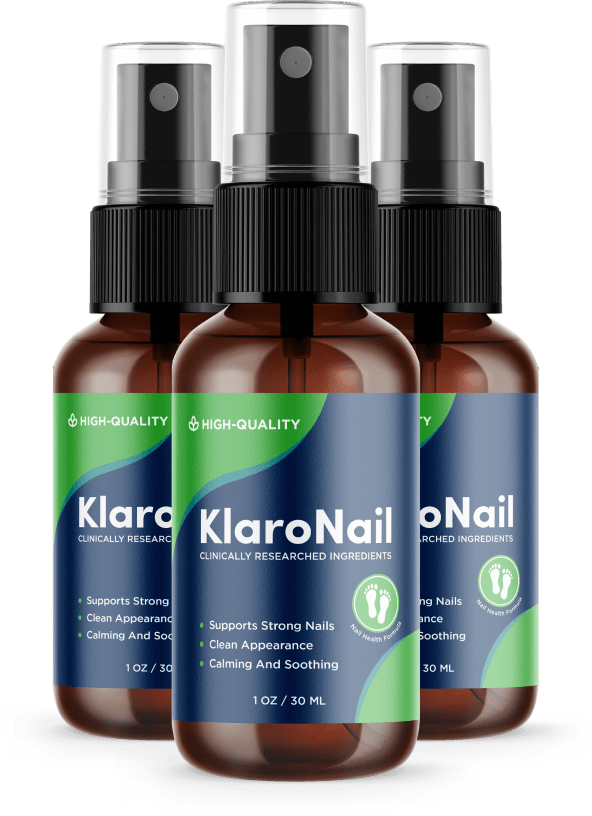
If you have been putting it off, the best time to start is now, while the job is still small, and KlaroNail is the option we recommend. It was designed to make that daily step so quick that you actually keep doing it.
- An established active at a stated strength: 5% undecylenic acid (USP), an over-the-counter antifungal used for decades. Our undecylenic acid guide explains how it works.
- Quick and simple: two sprays in the morning and two in the afternoon, plus a cotton swab to work the solution into the cuticle line and side folds.
- Reaches where it matters: the spray-plus-swab routine targets the base and edges of the nail, where fungus spreads.
- Sock-friendly: blended with oils such as tea tree, clove, lavender and manuka, it dries without a slick film, so socks and shoes can go on soon after.
- Low risk to start: bundles bring it down to $49 per bottle, larger orders ship free in the US, and every order carries a 60-day money-back guarantee.
Because toenails grow slowly, plan for months rather than weeks; the larger bundles are the practical way to keep the routine going without gaps. Start today, keep your feet dry and your shoes rotated, and let your baseline photo show the progress.
A note on care: KlaroNail is an at-home nail-care product, not a replacement for a doctor. If the nail is painful, lifting or spreading quickly, if you see a dark streak under it, or if you have diabetes, poor circulation or a weakened immune system, see a doctor or podiatrist first.
Frequently asked questions
Does toenail fungus go away on its own?
Rarely. Once fungus settles into the nail, the nail itself cannot clean it out, so without care it usually stays and slowly spreads through more of the nail. That is why starting a consistent routine early is the easiest path.
Is it dangerous to leave toenail fungus untreated?
For most healthy people it is not dangerous, but it tends to get thicker, more discolored and more uncomfortable over time, and it can spread to other nails, the skin and people you live with. For people with diabetes, poor circulation or a weakened immune system it deserves a doctor's attention, because cracked skin around the nail can let bacteria in.
Can untreated toenail fungus spread to other toes?
Yes. It commonly spreads to neighboring nails over time, and it is closely linked to athlete's foot on the skin. Shared showers, bath mats, towels and nail tools can also pass it to other people in the home.
Is it harder to get rid of toenail fungus the longer you wait?
Generally, yes. A thin nail with a small patch is easier for a topical product to reach than a thick, crumbly nail with fungus across most of it. Waiting usually means a longer routine and more months of patience.
When should I see a doctor about toenail fungus?
See a doctor or podiatrist if you have diabetes, poor circulation or a weakened immune system, if the toe is painful, red, swollen or draining, if the nail is lifting, if you see a dark streak under the nail, or if several nails are affected.
The bottom line
Ignoring toenail fungus rarely makes it disappear. More often it slowly takes over more of the nail, gets thicker and less comfortable, and spreads to other nails, your skin or your household. The good news is that the early stage is the easiest one to handle: a daily routine, dry feet, rotated shoes and patience. KlaroNail makes that daily step quick enough to stick with. See how KlaroNail works.