The short answer
The core of a toenail fungus routine is the same for everyone: short, dry nails; a product applied to the nail, cuticle and edges every day for months; shoes and socks that stay dry; and a doctor for pain or unusual changes. What changes with your profile is the risk you have to manage around it and how you make the routine survive your real day. People over 60 need more time and often help with trimming. Anyone with diabetes or poor circulation should see a doctor or podiatrist before treating anything at home. Shift workers on their feet, shared family bathrooms, frequent travelers and gym-goers each have one main leak to plug. Below is a side-by-side guide, with KlaroNail as the everyday spray we recommend.
Most advice about toenail fungus is written as if everyone has the same feet and the same life. This guide puts six common profiles next to each other. Nobody fits only one; borrow from every row that sounds like you.
What stays the same for every profile
- Fungus lives in and under the nail, which is why it is stubborn and why products have to reach the cuticle line, side folds and free edge, not just the surface. Our guide to why toenail fungus keeps coming back explains the hiding places.
- Daily application for months. A clearer nail grows in from the base; the old, discolored part has to grow out and be trimmed away. Skipped weeks reset the clock.
- Dry feet, rotated shoes, clean socks. Reinfection from your own footwear is the most common reason routines seem to fail.
- A doctor for pain, redness, a dark streak, several thick nails, or any health condition that affects the feet.
Six profiles side by side
| Your profile | The main risk to manage | What changes in the routine | Doctor first? |
|---|---|---|---|
| Over 60 | Slower growth, thicker nails, reduced circulation | More patience (longer timeline), help with trimming, a product that is easy to apply without bending far | If nails are very thick or you cannot see or reach your feet well |
| Living with diabetes or poor circulation | Reduced sensation; small problems can escalate | Nail care becomes part of your medical foot-care plan | Always, before any at-home product |
| On your feet all day | Hours of warm, damp feet in closed shoes | Wicking socks, mid-shift sock change, two pairs of work shoes rotated, feet dried after the shift | Only for the usual warning signs |
| Shared family bathroom | Spread between household members | Flip-flops indoors, no shared towels or clippers, hot wash for socks and mats, treat athlete’s foot in everyone | Only for the usual warning signs |
| Frequent traveler | Hotel showers, pool decks, broken routines | Flip-flops packed, product in the toiletry bag, socks for every day, shoes aired overnight | Only for the usual warning signs |
| Gym-goer or swimmer | Shared wet floors, sweaty trainers | Sandals in locker rooms, dry between toes after every session, alternate training shoes | Only for the usual warning signs |
Over 60: give it time and get help with the hard parts
Nails grow more slowly and thicken with age, blood flow to the toes often declines and decades of shoes leave small injuries, so fungus is both more common and slower to clear later in life. What changes: the timeline stretches, and the practical obstacles grow. Thick nails are hard to cut, and bending to reach your toes may be difficult. What to do: have thick nails trimmed by a podiatrist or a trusted family member, keep a long-handled file for the edges, and choose a product you can apply sitting down in seconds. A spray with a swab for the cuticle is easier than kneeling over a soaking basin. Our month-by-month timeline sets expectations.
Living with diabetes or poor circulation: doctor first, every time
This is the profile where the advice changes most. Diabetes can reduce feeling and circulation in the feet, which means a cracked nail or a small sore can turn into something serious without any pain to warn you. What changes: toenail fungus is not a do-it-yourself project. What to do: tell your doctor or podiatrist about any nail change and ask what they recommend; many diabetes care plans already include regular professional foot checks, so make nail care part of that. Keep feet clean and dry, inspect them daily (use a mirror if needed), never cut thick nails yourself, and wear well-fitting shoes. If your care team approves an at-home product, use it exactly as directed and keep your appointments.
On your feet all day: beat the all-day sweat
Nurses, retail and warehouse staff, hospitality workers, teachers and tradespeople spend ten or twelve hours in closed shoes, often on hard floors, often sweating. Warm and damp for that long is exactly what fungus wants. What changes: moisture control becomes the main job. What to do: switch to moisture-wicking socks, pack a second pair and change mid-shift if your feet sweat, own two pairs of work shoes and alternate them so each dries for a full day, and dry your feet carefully, including between the toes, when you get home. Apply your nail product after that drying step and before the next shift, so it goes on dry nails. Our shoes and socks guide covers the footwear side in detail.
Shared family bathroom: protect the household
One infected toenail in a busy household can quietly become three. Fungus sheds onto wet floors, bath mats, towels and nail tools, and children who run barefoot through the bathroom pick it up. What changes: you are managing spread, not just your own nail. What to do: wear flip-flops in the bathroom, never share towels, clippers or files, wash socks, towels and bath mats on a hot cycle, dry the shower floor after use and check everyone for athlete’s foot (itchy, peeling skin between the toes), treating it at the same time so it does not reseed the nails. Our guide on whether toenail fungus is contagious has the full household plan.
Frequent traveler: a routine that fits in a toiletry bag
Hotel showers, pool decks, airport security lines in socks and shoes that never get a day off: travel is hard on feet and harder on habits. What changes: the routine has to be portable and quick. What to do: keep flip-flops in your suitcase permanently, pack one pair of socks per day plus a spare, let shoes air by the window overnight, and keep your nail product in the toiletry bag you already open twice a day. A fast-drying spray beats soaks or greasy creams in a hotel room.
Gym-goer or swimmer: shared floors and sweaty trainers
Locker rooms, communal showers and pool decks are the classic places to pick up fungus, and training shoes that never dry are the classic place to keep it. What changes: exposure is frequent, so protection has to be routine. What to do: wear sandals everywhere a floor is wet, dry carefully between your toes after every session, alternate two pairs of trainers, and apply your nail product after the post-workout shower. We go deeper in our guide for runners, gym-goers and swimmers.
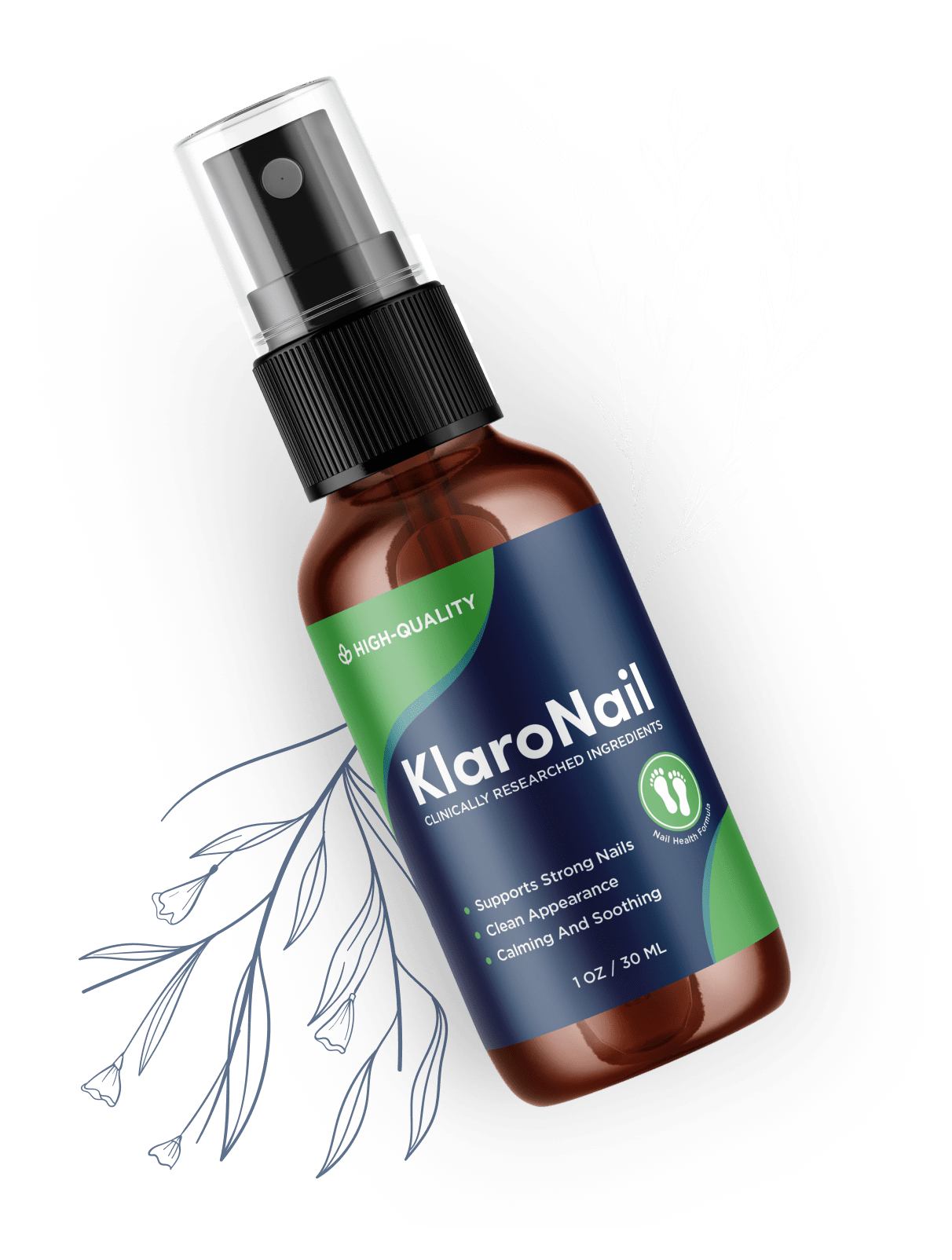
Our recommendation: KlaroNail
Look down the table and one thing stands out: in every profile except the medical one, success comes down to a daily step that is quick enough to survive a long shift, a hotel room or a bad back. That is why KlaroNail is the spray we recommend for the everyday profiles above.
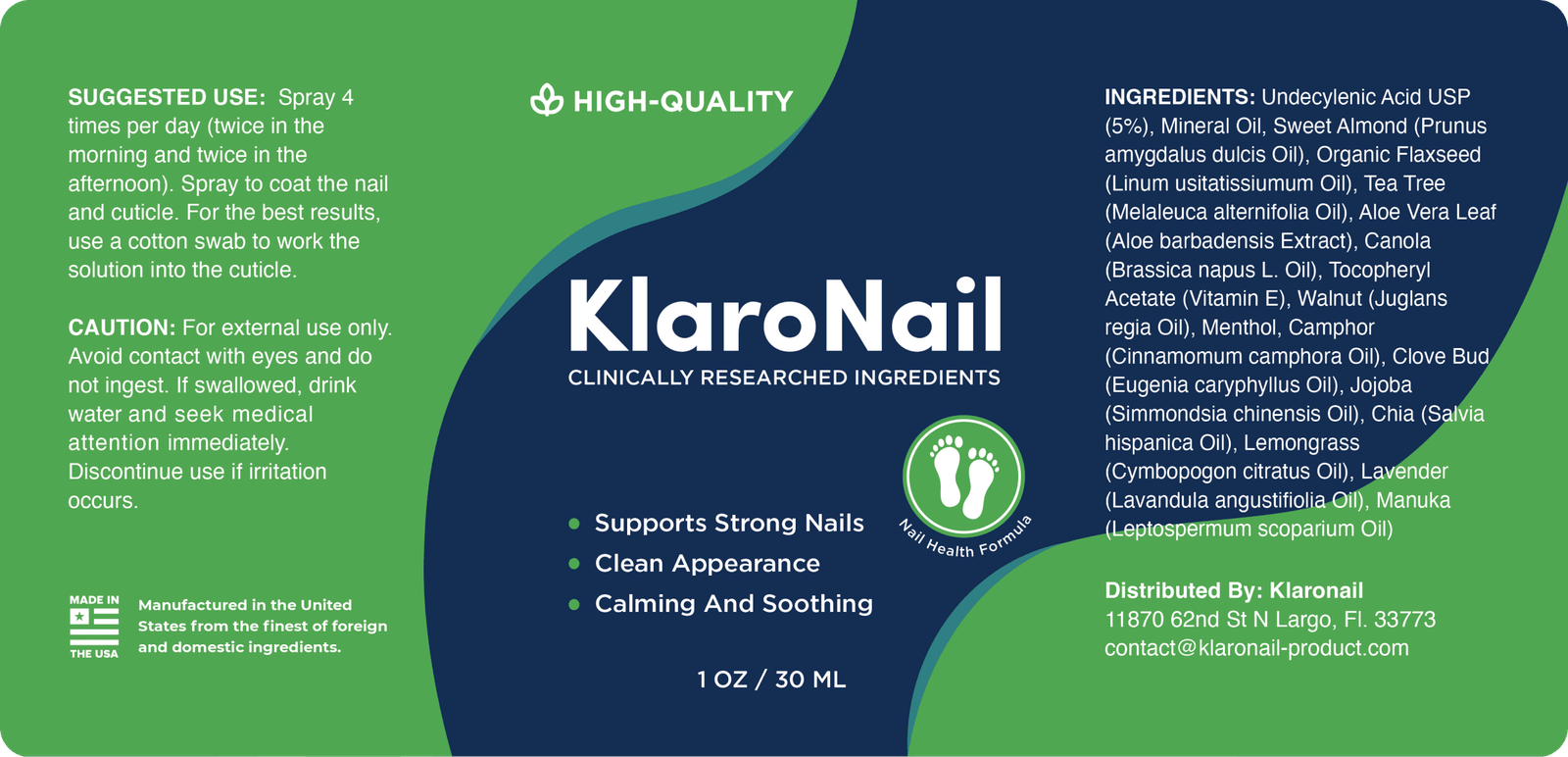
- A named active at a stated strength: Undecylenic Acid USP 5%, an over-the-counter antifungal used for decades, blended with tea tree, clove, lavender and manuka oils (see our undecylenic acid guide).
- Reaches the right places without bending or soaking: two sprays on the nail and surrounding skin, plus a cotton swab for the cuticle line and side folds. Easy sitting down, easy in a hotel bathroom.
- Fits a working day: two sprays in the morning and two in the afternoon, about a minute, and it dries without a slick film, so socks and work shoes can go straight on.
- Enough for the long haul: 1 oz (30 mL) bottles in bundles of 2 at $79 each ($158 plus $9.99 US shipping), 3 at $69 each ($207, free US shipping) or 6 at $49 each ($294, free US shipping plus three digital bonuses), so a household or a slow-growing nail does not run out halfway.
- Low risk: a 60-day money-back guarantee on official-site orders (keep your bottles and packing slip until you decide).
Pick your row, plug your main leak, take a baseline photo and start the morning-and-afternoon routine today. If you are in the diabetes or circulation profile, show this plan to your care team first.
A note on care: KlaroNail is an at-home nail-care product, not a replacement for a doctor. If the nail is painful, lifting or spreading quickly, if you see a dark streak under it, or if you have diabetes, poor circulation or a weakened immune system, see a doctor or podiatrist first.
Frequently asked questions
Is toenail fungus more common after 60?
Yes. Nails grow more slowly and thicken with age, circulation to the feet often declines and years of shoe wear add small injuries, all of which make fungus more likely and slower to clear. The routine is the same, but it takes longer and nails may need help with trimming.
Can I treat toenail fungus at home if I have diabetes?
Not without talking to your doctor or podiatrist first. Diabetes can reduce sensation and circulation in the feet, so a small nail problem can become a serious one without you feeling it. Many diabetes care plans include regular professional foot checks; make any nail care part of that plan.
How do I stop toenail fungus spreading to my family?
Wear flip-flops in the shared bathroom, do not share towels, nail clippers or files, wash socks and bath mats hot, dry the shower floor and treat any athlete’s foot in the household at the same time. Everyone should dry between their toes after bathing.
What should I do about toenail fungus when I travel a lot?
Pack flip-flops for hotel showers and pool decks, bring enough socks to change daily, let shoes air out overnight and keep your nail product in your toiletry bag so the routine does not stop on the road. A quick-drying spray fits travel better than soaks or messy creams.
I stand all day for work. Does that make toenail fungus worse?
Long shifts in closed shoes mean warm, damp feet for many hours, which is what fungus likes. Moisture-wicking socks, a sock change mid-shift if your feet sweat, two pairs of work shoes rotated day to day and drying your feet well afterward make the biggest difference.
The bottom line
Toenail fungus does not care how old you are or what you do for a living, but your routine has to. Keep the core the same, manage the one risk your profile adds, and let the doctor lead if you have diabetes or circulation problems. For everyone else, KlaroNail makes the daily step quick enough to keep for the months it takes. See how KlaroNail works.